
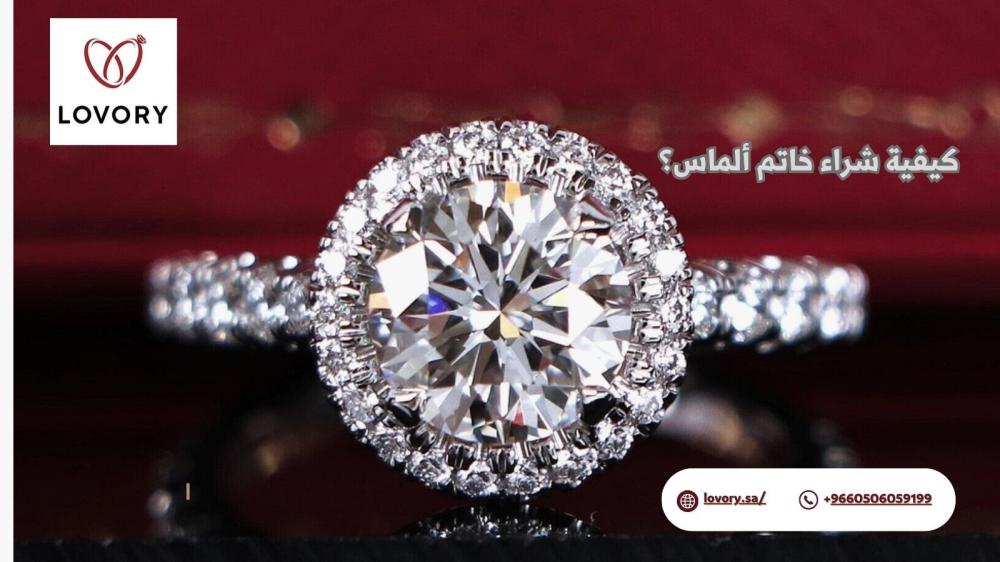
Learning how to buy a diamond ring can seem complicated at first; there's carat weight, color, clarity, cut, diamond certification, ring design, and gold type. But choosing the right one doesn't require buying the most expensive ring or the highest grade in every aspect; it requires understanding the elements that truly affect the piece's beauty, quality, and suitability to your budget.
In this guide from Lovory, you will learn the steps to choosing the right diamond ring, the difference between natural and lab-grown diamonds, and how to read product information, with practical examples. The collection of diamond rings at L'Fori helps you compare designs and weights before you buy.
Define the purpose for purchasing the diamond ring
The first step in knowing how to buy a diamond ring is to determine the occasion on which the ring will be worn; because the design of an engagement ring may differ from an everyday ring or a wedding anniversary ring.
The ring can be personalized for:
- Engagement or marriage.
- Wedding anniversary.
- A gift for a romantic occasion.
- Celebrating a personal achievement.
- Daily use.
- Attending events and parties.
- Add it to the bride's jewelry collection.
If you're looking for an engagement ring, it's important to choose a design that reflects your personality and is comfortable for frequent wear. However, if the ring is a gift or a special occasion piece, you can opt for a bolder design or a larger diamond.
Set a realistic budget before viewing products.
A common mistake is starting your ring search before setting a budget. Looking at many models without a clear price range can make comparisons more difficult and lead you to focus solely on size.
Divide the budget among several elements:
- The weight of the diamond.
- Color quality and purity.
- The shape of the cut.
- The weight and purity of the gold.
- The number of diamonds.
- Design complexity level.
- Diamond certificate.
- Quality of manufacturing and installation.
There's no single perfect budget that suits everyone, and there's no need to follow a rule based on a specific number of salaries. The most important thing is to choose an item that matches your needs and purchasing power, with specifications clearly explained.
Lab-grown diamonds offer the opportunity to achieve a luxurious design and high quality grades within a more flexible budget, allowing you to direct a larger portion of the budget towards the weight of the diamond or the design shape you prefer.
Learn about the four diamond quality standards (4Cs).
When researching how to buy a diamond ring, you will encounter four basic criteria known as the 4Cs:
- Cut.
- Color.
- Clarity.
- Carat weight.
None of these criteria works in isolation; rather, the final appearance of the ring is determined by the balance between them.
First: Diamond Cutting
The cut refers not only to the shape of the stone, but also to the precision of its angles and proportions, its polish, and its ability to reflect light. The more balanced the cut, the more brilliant and vibrant the diamond appears.
A smaller, well-cut stone may appear brighter than a larger one that doesn't reflect light as efficiently. Therefore, sacrificing cut quality simply to increase carat weight is not advisable.
Some of the most popular diamond shapes used in rings include:
- Round.
- Oval.
- Pear.
- Marquise.
- The square or the princess.
- Emerald.
- The heart.
- The Asscher.
How do you choose the cut style?
Choose the shape according to your personal style:
- The circular cut is suitable for classic designs.
- The oval shape gives the stone a relatively long and larger appearance.
- The pear combines delicacy and excellence.
- The marquise gives the finger a longer appearance.
- The square cut suits modern geometric designs.
- The heart is suitable for romantic gifts.
For those who prefer an eye-catching design, it offers The 1.18 carat Oval Halo Diamond Ring is a practical example of using an oval stone with a surrounding halo that gives it a more present and brilliant appearance.
Second: Diamond Color
The color of a diamond reflects how close the stone is to being colorless. Traditional grading starts at D, the highest level of colorlessness, and gradually moves up to grades where a yellow or brown tint is more pronounced.
However, choosing the highest grade isn't always necessary. Near-colorless grades can appear very white and pure after being set in white gold, offering a more balanced value.
A large selection of Lovory rings uses diamonds in EF color grades, which are high grades that give the diamonds a pure and consistent appearance with white and rose gold.
When comparing diamond color, consider:
- The color of the gold used in the ring.
- Stone size.
- The shape of the cut.
- Ambient lighting.
- The actual visible difference between the grades.
- How well the color blends with your skin tone and other jewelry.
Third: Diamond Clarity
Clarity refers to the internal and external properties of the stone. Some of these properties are only visible under magnification and cannot be observed when wearing the ring normally.
Some known degrees of purity:
- FL and IF.
- VVS1 and VVS2.
- VS1 and VS2.
- SI1 and SI2.
This doesn't mean you always have to buy the highest quality stone. The practical goal is to choose a stone that looks pure and beautiful to the eye, and whose properties don't affect its luster or appearance.
Many of Lovory's rings feature VVS-VS clarity grades, a high range suitable for those seeking exceptional clarity and luxurious shine, with the exact grade varying by product.
Examples include The Eleganza ring is made of 18-karat white gold , combining lab-grown diamonds with EF color, VVS-VS clarity, and IGI certification in a classic design with a modern twist.
Fourth: Carat weight
The carat is a unit used to measure the weight of a diamond, not to assess its overall quality. Therefore, a larger carat does not automatically mean a more beautiful or higher-quality ring.
Two stones of the same weight may appear different due to:
- The shape of the cut is different.
- The depth of the stone.
- Its upper surface area.
- How to install it.
- There was a halo of stones around it.
- Show the ring.
- The distribution of diamonds on the design.
Before purchasing, check whether the weight stated refers to the center stone only or to the total weight of all the diamonds in the ring.
How do you get the best value for your budget?
Knowing how to buy a diamond ring at the best value does not mean choosing the cheapest product, but rather choosing specifications that truly showcase its beauty when the ring is worn.
To achieve a suitable balance:
- Don't focus on the carat alone.
- I give priority to the quality of the cut.
- Choose a color that matches the metal.
- Look for a purity that looks clean to the eye.
- Compare the designs that maximize the presence of the stone.
- Check the total weight of the diamonds.
- Choose a clear certificate that can be referenced.
- Compare the weight, type, and purity of the gold.
- Determine if the design is suitable for everyday use.
If you prefer a classic, understated design, you can check out A 0.5 carat lab-grown diamond solitaire ring . The ring features a smooth, round design, 18k white gold, EF color and VS clarity, with HRD certification.
If your goal is to achieve a larger presence, a halo design or the distribution of several stones may be a suitable option, as it adds an area of sparkle around the central stone.
Would you choose a natural diamond or a lab-grown one?
Lab-grown diamonds are diamonds produced in an advanced laboratory environment rather than forming naturally in the earth. They are not glass, zircon, or moissanite, but diamonds with the fundamental properties and crystal structure associated with diamonds, albeit from a different source.
Laboratory-grown diamonds are also subject to evaluation according to:
- The story.
- the color.
- Purity.
- Weight of a carat.
- The shape of the stone.
- Measurements.
- Whether or not there are processors.
- The entity that issued the report.
When is lab-grown diamond right for you?
This might be a suitable option if your priorities are:
- Get a larger diamond weight within the budget.
- Choosing high shades of color and purity.
- Having a luxurious design at a more flexible price.
- Clearly knowing the origin of the stone.
- Buy a trendy engagement ring.
- Paying attention to modern technologies used in jewelry.
Lovory specializes in offering wedding and engagement jewelry made from lab-grown diamonds, with a variety of designs ranging from classic to modern, and from soft weights to larger carats.
Why should one care about a diamond certificate?
A diamond certificate or inspection report is one of the most important elements to check before buying, as it helps to document the properties of the stone instead of relying on general marketing descriptions.
The report may include:
- The type of diamond and its origin.
- Weight of a carat.
- The shape of the stone.
- The cutting technique.
- The shade of color.
- Degree of purity.
- Dimensions of the stone.
- Installation details or component.
- Report number.
- Laser engraving when available.
Selected Lovory products come with certifications from international bodies such as IGI or HRD, with the certification body clearly indicated on each product page. Therefore, it's essential to read the product details themselves, as the type of certification may vary from one brand to another.
Examples include The Eternity Sparkle semi-circle ring is made of 18-karat white gold and set with seven round diamonds in a design that can be coordinated with an engagement ring or worn alone.
How do you read the specifications of a diamond ring?
Before adding the ring to your cart, don't rely solely on the pictures. Read the product description and check the following:
Type of metal and its purity
Some popular options include:
- White gold.
- Yellow gold.
- Rose gold.
18-karat gold is widely used in fine jewelry because it combines a high percentage of gold with the ability to form a durable design suitable for setting stones.
weight of gold
The weight of gold isn't the only factor determining a ring's quality, but it can help when comparing two similar designs. Weight can vary depending on the ring size, band width, and the number of details.
Diamond type
Check if it's a diamond:
- Naturally.
- Laboratory-grown.
- An alternative stone to diamonds.
The type should be clearly written within the product description.
Total weight of diamonds
Pay attention to the difference between the weight of the center stone and the total weight of all the stones. In Eternity and Halo designs, the weight is often distributed across several stones.
Color and purity
Look for clear grades such as EF or VVS-VS instead of relying solely on a description like "fine diamond".
Cut shape
The stone shape is both an aesthetic and practical element. Some cuts give a classic look, while others add a bolder personality.
Accrediting Authority
Check the name of the laboratory or certification authority, and whether the report can be verified or obtained with the item.
How do you choose a diamond ring design?
solitaire ring
It features a single center stone and is one of the most popular engagement options. It is characterized by its simplicity and its ability to highlight the main diamond.
Suitable for:
- Classic taste.
- Daily use.
- Coordinate it with a wedding ring.
- For those who prefer elegant simplicity.
halo ring
Smaller stones surround the central stone, increasing the area of brilliance and giving the diamond a larger appearance.
Suitable for:
- The eye-catching engagement ring.
- Occasions.
- Who prefers a bright, obvious shine?
- The budget aims for a bigger look through design.
Eternity ring
The diamond stones are distributed over part of the ring's circumference or its entire circumference.
Suitable for:
- Wedding anniversary.
- Gifts for special occasions.
- Coordination with the engagement ring.
- Who prefers a glittery finish on the ring?
And for lovers of geometric lines, it offers Eternity square lab-grown diamond ring, modern design in 18k white gold, set with EF color, VVS-VS clarity, and IGI certified square stones.
Royal multi-stone design
Some rings rely on several large stones or graduated cuts to produce a more luxurious look.
It is The Feminine Crown Ring with a graduated pear cut is an example of this category; it combines 18-karat white gold with a set of lab-grown diamonds totaling 2.19 carats, with EF color, VVS–VS clarity, and IGI certification.
Modern open ring
It features unconventional lines and may combine more than one direction or shape of stone.
Those who prefer warmer tones can check out An 18k rose gold ring with a pear-shaped diamond , combining a modern open design with lab-grown diamonds of EF color, VVS clarity, and IGI certification.
Choose the ring according to the shape of your hand and fingers.
There is no hard and fast rule, but some details might help:
- Longitudinal cuts such as oval, marquise and pear may give the fingers a longer appearance.
- Round stones suit most hand shapes.
- The thin rings highlight the central stone.
- Wide bands give a stronger presence.
- Halo designs are suitable for those who prefer a shiny look.
- Soft designs are easier to coordinate for everyday wear.
The most important thing is to visually experience the shape and choose the design that you feel expresses you, rather than adhering to a general rule that does not suit your taste.
Make sure of the ring size.
The correct size is essential for comfort and for maintaining the garment.
For a more accurate measurement:
- Use a suitable ring you have for comparison.
- Measure the finger at a moderate temperature.
- Do not measure your hand after exercise or if your fingers are swollen.
- Refer to the store's size guide.
- Ask about the possibility of size adjustments before purchasing.
- Be aware that some full eternity rings are difficult to resize.
If the ring is a gift, you can use a ring that the recipient wears on the same finger or ask someone close to her.
Mistakes to avoid when buying a diamond ring
Choosing the largest carat without checking the other specifications
The weight of the diamond is important, but it does not compensate for a poor cut or an unsuitable design.
Buying the highest purity without any actual need
You may pay a significant difference for a specification that is not visible to the eye during use.
Ignore the diamond certificate
Having clear data and recognized reports gives you a better ability to evaluate what you buy.
Confusing lab-grown diamonds with diamond substitutes
Lab-grown diamonds are different from zircon and moissanite, and the product description must clearly state the type of stone.
Not knowing if the weight is total
The carat number may be distributed across a group of stones rather than a single central stone.
Choose the design from the images only
Check the weight, dimensions, stone height, type of setting, and how suitable the ring is for everyday wear.
Ignore size and after-sales service
Make sure you check the size adjustment, care and exchange policies before completing your purchase.
Exaggerating the number of links and comparisons
You don't need to compare dozens of rings. Choose three to five designs that suit the occasion and your budget, then compare their specifications carefully.
Checklist before completing the order
Before buying the ring, make sure you answer the following questions:
- What is the occasion for which I am buying the ring?
- What is the budget I don't want to exceed?
- Do I want a natural diamond or a lab-grown one?
- What is the preferred cutting style?
- Is the stated weight for one stone or for all stones?
- What is the color grade of the diamond?
- What is the purity level?
- What type of gold and what is its purity?
- What is the weight of gold?
- Is there a diamond certificate?
- Which entity issued the certificate?
- Is the size right?
- Can the size be adjusted?
- Is the design practical for everyday use?
- Does the ring match the jewelry I will wear with it?
Why choose a diamond ring from Lovory?
When applying the steps on how to buy a diamond ring, you will find that clarity of specifications and variety of designs are two essential elements for making an appropriate decision.
Lovory offers a diverse collection of lab-grown diamond rings, including:
- Delicate solitaire rings.
- Classic engagement rings.
- Halo designs.
- Eternity rings.
- Oval, Marquez, pear and round haircuts.
- Royal designs in larger carats.
- Rings made of white gold and rose gold.
- Products with IGI or HRD certifications depending on the model.
The product pages also explain the type and purity of gold, the weight of the gold, the total weight of the diamonds, the color, clarity, design, and certification body, so that you can compare based on real data and not just appearance.
Summary
Buying the right diamond ring depends on balancing the occasion, budget, design, and stone specifications. Start by determining the ring's purpose, then understand the cut, color, clarity, and carat. Check the type of gold, the certificate, and the size.
Don't necessarily look for the highest number in every specification. The best ring might be the one that gives you a clear sparkle, a design that reflects your personality, a comfortable fit, and proven quality within your budget.
Discover now Lovory offers lab-grown diamond rings ; compare designs, weights, color, and clarity to find a piece that combines modern luxury with superior materials. You can also visit the Lovory showroom in Riyadh, located in Hayat Mall, Gate 6, to see the collection up close.
Frequently Asked Questions
How can I tell if a diamond ring is of high quality?
Check the cut quality, color grade, clarity, and carat weight, then verify that there is a report or certificate that explains the type of diamond and its specifications.
Are lab-grown diamonds real diamonds?
Lab-grown diamonds are diamonds produced in an advanced laboratory environment and have the basic properties of diamonds, but they differ from natural diamonds in origin.
What is the most important criterion when buying a diamond ring?
There is no single standard that suits all buyers, but cut quality has a clear impact on shine and should be balanced with color, purity, and carat.
Does a larger carat mean a better ring?
No, carats measure weight. A smaller stone with a good cut, balanced color, and clarity may be more beautiful than a larger stone with weaker qualities.
What is the difference between VVS and VS?
Both indicate relatively high degrees of purity, but impurities in VVS are harder to observe under magnification compared to VS grade.
Are EF color grades good for diamonds?
EF is a shade very close to colorlessness, giving diamonds a pure, white appearance, especially when paired with white gold.
Is the IGI certificate important?
The IGI certificate helps to clarify the origin of the diamond and its specifications such as weight, color, clarity and cut, and the report number can be used to verify the stone's data.
Which is better: Solitaire or Halo?
The solitaire is suitable for those who prefer a classic design that highlights a single central stone, while the halo provides more shine and a more luxurious look.
Is an eternity ring suitable for engagement?
It can be used as an engagement ring according to taste, but it is also used as a wedding ring, an anniversary gift, or to be coordinated with a solitaire ring.
How do I determine my diamond ring size?
Use a suitable comparison ring or a reliable measurement guide, and make sure to take the measurement when the hand is at a moderate temperature.
Do all Lovory rings carry the same certification?
No, the certification body varies depending on the product; some models are certified by IGI and some by HRD, so you should check the specifications page of the chosen ring.